AI Head-to-Head
Compare Bio Refinery of Wastewater Treatment vs Heart of the Nation
Which book deserves a spot on your reading list next? Explore our side-by-side comparison of summaries, lessons, and buying options.

Science & Technology
Bio Refinery of Wastewater Treatment
by Maulin P. Shah
☆☆☆☆☆
0.0
Buy Options
| Pages | 344 |
| Difficulty Level | Intermediate |
| Est. Reading Time | 8.6 hrs |
| Publish Year | 2024 |
Science & Technology
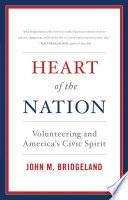
Heart of the Nation
by John M. Bridgeland
☆☆☆☆☆
0.0
Buy Options
| Pages | 193 |
| Difficulty Level | Intermediate |
| Est. Reading Time | 4.8 hrs |
| Publish Year | 2012 |
🎯
Who Should Read Which?
Book 1, "Bio Refinery of Wastewater Treatment," is intended for a highly specialized audience, specifically researchers and scientists working in effluent treatment plants, environmental biotechnology, and sustainable development. Book 2, "Heart of the Nation," targets a much broader general audience, including citizens interested in American history, civic engagement, volunteering, and national unity.
💡
Core Takeaway Comparison
Book 1's core takeaway is the exploitation of advanced wastewater treatment technologies and biorefinery approaches to generate value from waste, degrade contaminants, and restore polluted sites for environmental protection. Book 2's core takeaway is the vital role of America's volunteer tradition in national history, its potential to foster personal happiness, and its capacity to heal partisan divisions through collective civic service.
✍️
Writing Style & Complexity
Book 1 employs a technical, scientific, and detailed academic style, likely using specialized jargon suitable for scientific discourse and research. It focuses on presenting advancements, mechanisms, and case studies. Book 2 adopts a narrative, inspirational, and persuasive style, blending historical accounts with personal experiences to engage and motivate readers toward civic action. It is designed to be accessible to a broad readership.
👑
The Final Verdict
Choose Book 1 if your goal is to acquire in-depth scientific and technical knowledge regarding innovative wastewater treatment, biorefinery processes, and environmental remediation from a research perspective. Choose Book 2 if you are looking for an inspirational and historical exploration of American civic service, seeking motivation for personal volunteering, and insights into fostering national unity through collective action. The choice depends entirely on whether your interest lies in highly specialized environmental science or broader socio-political and civic engagement.