AI Head-to-Head
Compare The Lean Startup vs High Output Management
Which book deserves a spot on your reading list next? Explore our side-by-side comparison of summaries, lessons, and buying options.
Business
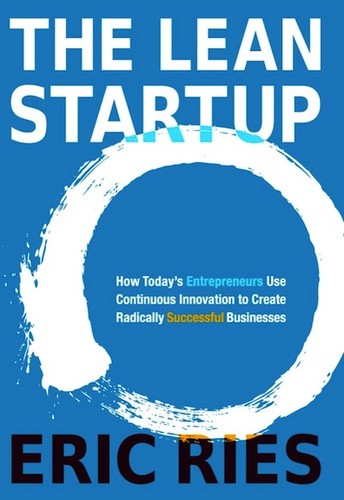
The Lean Startup
by Eric Ries
★★★★★
5.0
Buy Options
| Pages | 336 |
| Difficulty Level | Intermediate |
| Est. Reading Time | 8.4 hrs |
| Publish Year | 2011 |

Business
High Output Management
by Andrew S. Grove
☆☆☆☆☆
0.0
Buy Options
| Pages | 272 |
| Difficulty Level | Advanced |
| Est. Reading Time | 6.8 hrs |
| Publish Year | 1983 |
🎯
Who Should Read Which?
"The Lean Startup" is ideal for entrepreneurs, startup founders, product managers, and innovators focused on building new products and ventures with minimal waste and continuous validation. "High Output Management" is essential for managers, team leaders, and executives in established organizations seeking to optimize operational efficiency, improve productivity, and lead high-performing teams.
💡
Core Takeaway Comparison
"The Lean Startup" emphasizes the Build-Measure-Learn feedback loop, validated learning, Minimum Viable Products (MVPs), and the importance of pivoting or persevering based on market feedback to achieve sustainable growth. "High Output Management" focuses on leveraging management activities, the importance of delegation, task-relevant maturity, effective meeting structures (especially one-on-ones), and the art of decision-making to maximize team output and achieve organizational goals.
✍️
Writing Style & Complexity
"The Lean Startup" employs a modern, anecdotal, and case-study driven approach, making it relatively accessible and practical for a startup audience. It introduces specific jargon relevant to lean methodologies. "High Output Management" is more direct, systematic, and pragmatic, reflecting Andrew Grove's engineering background and extensive experience at Intel. It can be denser and more demanding but offers profound, timeless management principles.
👑
The Final Verdict
If your primary goal is to launch a new product, validate business ideas quickly, and operate with agility in a startup environment, begin with "The Lean Startup". If you are a manager or aspiring manager looking to enhance your leadership skills, optimize team performance, and understand the core principles of operational excellence in an existing organization, start with "High Output Management". Both are foundational texts, but their immediate applicability aligns with different stages and roles within the business world.