AI Head-to-Head
Compare Sapiens vs Homo Deus
Which book deserves a spot on your reading list next? Explore our side-by-side comparison of summaries, lessons, and buying options.
History & Philosophy
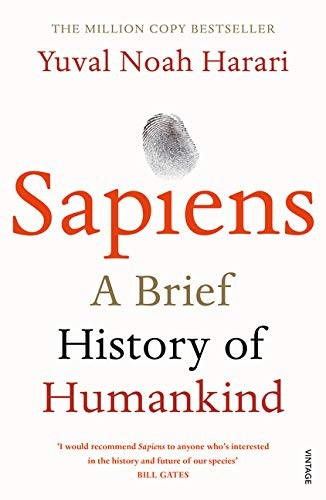
Sapiens
by Yuval Noah Harari
☆☆☆☆☆
0.0
Buy Options
| Pages | 443 |
| Difficulty Level | Intermediate |
| Est. Reading Time | 11 hrs |
| Publish Year | 2014 |
History & Philosophy
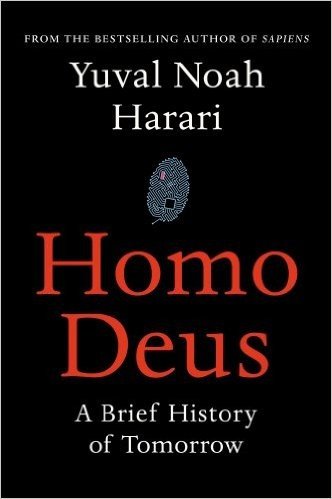
Homo Deus
by Yuval Noah Harari
☆☆☆☆☆
0.0
Buy Options
| Pages | 448 |
| Difficulty Level | Advanced |
| Est. Reading Time | 11.2 hrs |
| Publish Year | 2016 |
🎯
Who Should Read Which?
Sapiens is ideal for readers interested in the grand sweep of human history, from our origins to the present, and how we became the dominant species. Homo Deus targets those curious about humanity's potential future, the impact of advanced technology, and the next evolutionary challenges we might face.
💡
Core Takeaway Comparison
Sapiens argues that our ability to create and believe in shared fictions (myths, religions, nations) allowed us to cooperate on a large scale and dominate the planet. Homo Deus speculates that having largely conquered famine, plague, and war, humanity's new projects will be immortality, happiness, and divinity, potentially leading to the rise of algorithms and 'dataism' over humanism.
✍️
Writing Style & Complexity
Both books share Yuval Noah Harari's characteristic accessible yet intellectually rigorous style, characterized by broad historical narratives, interdisciplinary insights, and provocative thought experiments. Sapiens might feel slightly more anchored in historical analysis, while Homo Deus ventures further into philosophical speculation and future predictions, though both maintain a clear, engaging prose suitable for a general audience.
👑
The Final Verdict
For a foundational understanding of Harari's perspective on humanity's past and present, read Sapiens first. It establishes the framework and concepts that Homo Deus builds upon. If you are primarily interested in the speculative future and advanced technological implications, Homo Deus can be read independently, but Sapiens provides crucial context and depth.