AI Head-to-Head
Compare The 7 Habits of Highly Effective People vs Man's Search for Meaning
Which book deserves a spot on your reading list next? Explore our side-by-side comparison of summaries, lessons, and buying options.
Self Help
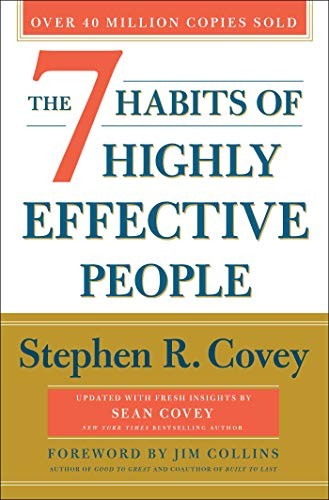
The 7 Habits of Highly Effective People
by Stephen Covey
☆☆☆☆☆
0.0
Buy Options
| Pages | 381 |
| Difficulty Level | Intermediate |
| Est. Reading Time | 9.5 hrs |
| Publish Year | 1989 |

Self Help
Man's Search for Meaning
by Viktor Frankl
☆☆☆☆☆
0.0
Buy Options
| Pages | 165 |
| Difficulty Level | Intermediate |
| Est. Reading Time | 4.1 hrs |
| Publish Year | 1946 |
🎯
Who Should Read Which?
Stephen Covey's 'The 7 Habits' targets individuals seeking practical, structured approaches to improve personal productivity, leadership, and professional effectiveness. Viktor Frankl's 'Man's Search for Meaning' is for those grappling with existential questions, seeking resilience, and understanding how to find meaning amidst suffering or challenging circumstances.
💡
Core Takeaway Comparison
Covey's book emphasizes that true effectiveness comes from principle-centered living, proactive choices, and developing habits like beginning with the end in mind and seeking first to understand. Frankl's core takeaway is that humans can find meaning in any situation, even suffering, and that freedom lies in choosing one's attitude and response to inevitable life challenges.
✍️
Writing Style & Complexity
'The 7 Habits' is instructional, practical, and highly structured, often reading like a self-help textbook with exercises and clear frameworks. 'Man's Search for Meaning' is more narrative, reflective, and deeply personal in its first part recounting Frankl's experiences, then shifts to a more philosophical and explanatory tone when introducing logotherapy. Frankl's style is emotionally resonant and profound, while Covey's is more didactic.
👑
The Final Verdict
If your goal is to gain actionable strategies for personal and professional development, improve productivity, and build effective habits, start with 'The 7 Habits of Highly Effective People'. If you are seeking profound philosophical insights into resilience, purpose, and finding meaning in life, especially when facing adversity, begin with 'Man's Search for Meaning'. For practical effectiveness, choose Covey; for existential understanding, choose Frankl.