AI Head-to-Head
Compare Zero to One vs Rich Dad Poor Dad
Which book deserves a spot on your reading list next? Explore our side-by-side comparison of summaries, lessons, and buying options.
Business
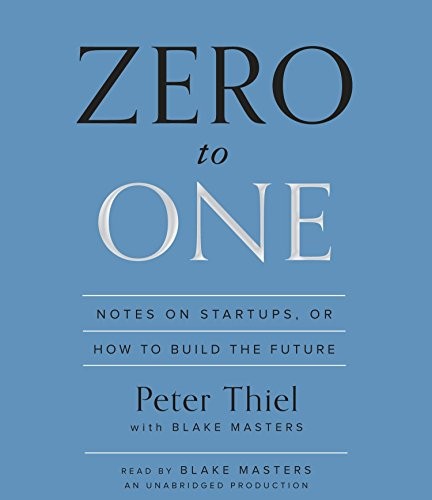
Zero to One
by Peter Thiel
★★★★★
5.0
Buy Options
| Pages | 224 |
| Difficulty Level | Advanced |
| Est. Reading Time | 5.6 hrs |
| Publish Year | 2014 |

Finance
Rich Dad Poor Dad
by Robert T. Kiyosaki
★★★★☆
4.0
Buy Options
| Pages | 207 |
| Difficulty Level | Beginner |
| Est. Reading Time | 5.2 hrs |
| Publish Year | 1997 |
🎯
Who Should Read Which?
Zero to One is for entrepreneurs, startup founders, venture capitalists, and anyone interested in creating innovative, monopolistic businesses. Rich Dad Poor Dad targets individuals seeking to improve their personal finance literacy, understand the difference between assets and liabilities, and shift their financial mindset from an employee to an investor.
💡
Core Takeaway Comparison
Zero to One emphasizes the importance of building truly novel, proprietary technologies and creating unique monopolies rather than merely competing in existing markets ('going from 0 to 1'). Rich Dad Poor Dad's core takeaway is the critical distinction between assets (which generate income) and liabilities (which incur expenses), advocating for financial education and investing in income-generating assets to achieve financial independence.
✍️
Writing Style & Complexity
Zero to One is more conceptual, strategic, and theoretical, drawing on Thiel's extensive experience as a venture capitalist and entrepreneur; its language can be dense with business and economic principles. Rich Dad Poor Dad employs a narrative-driven, conversational, and relatively simplistic style, using personal anecdotes and allegories to make complex financial concepts accessible to a general audience.
👑
The Final Verdict
If your goal is to understand the principles of building disruptive, high-growth companies and innovate in the tech space, read 'Zero to One' first. If you're looking to establish a fundamental understanding of personal finance, improve your financial mindset, and learn to make your money work for you, 'Rich Dad Poor Dad' is the better starting point. They address different stages: 'Rich Dad Poor Dad' is foundational for personal wealth, while 'Zero to One' is for entrepreneurial wealth creation.