AI Head-to-Head
Compare Zero to One vs Sanskrit English Dictionary
Which book deserves a spot on your reading list next? Explore our side-by-side comparison of summaries, lessons, and buying options.
Business
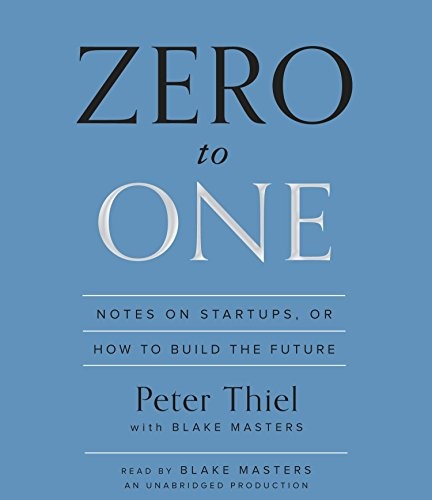
Zero to One
by Peter Thiel
★★★★★
5.0
Buy Options
| Pages | 224 |
| Difficulty Level | Advanced |
| Est. Reading Time | 5.6 hrs |
| Publish Year | 2014 |

Uncategorized
Sanskrit English Dictionary
by Monier Monier-Williams
☆☆☆☆☆
0.0
Buy Options
| Pages | 398 |
| Difficulty Level | Intermediate |
| Est. Reading Time | 10 hrs |
| Publish Year | N/A |
🎯
Who Should Read Which?
Book 1, "Zero to One", is for entrepreneurs, startup founders, venture capitalists, innovators, and business strategists looking to create new markets and build unique companies. Book 2, "Sanskrit English Dictionary", is essential for students, scholars, and researchers of Sanskrit language, literature, philosophy, and religious texts who need a reliable tool for translation and understanding.
💡
Core Takeaway Comparison
The core takeaway from "Zero to One" is the imperative to create entirely new value and go from 'zero to one' by building unique monopolies, rather than merely competing or iterating. The "Sanskrit English Dictionary" provides the fundamental resource for accurately understanding, translating, and interpreting Sanskrit words, offering definitions, grammatical insights, and usage examples.
✍️
Writing Style & Complexity
"Zero to One" employs an analytical, prescriptive, and philosophical style, presenting Thiel's distinct perspective on innovation and business strategy in an accessible yet thought-provoking manner. The "Sanskrit English Dictionary" is purely functional, systematic, and highly structured, characteristic of a comprehensive reference work, with entries organized alphabetically and presenting objective linguistic data.
👑
The Final Verdict
If your goal is to understand startup philosophy, innovation, and business strategy, prioritize "Zero to One". If your objective is to study, translate, or research Sanskrit language, literature, or philosophy, the "Sanskrit English Dictionary" is an indispensable foundational tool. These books serve entirely different purposes, so the choice depends entirely on your specific area of interest and learning goals.