AI Head-to-Head
Compare The Little Prince vs Sri Mahabharatam - II
Which book deserves a spot on your reading list next? Explore our side-by-side comparison of summaries, lessons, and buying options.
Children
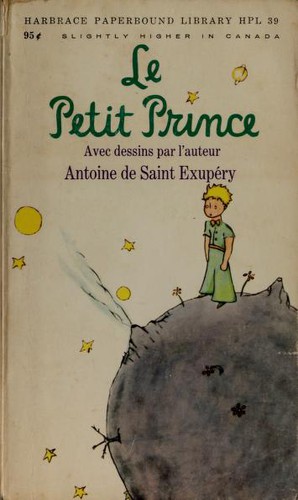
The Little Prince
by Antoine de Saint-Exupéry
★★★★★
5.0
Buy Options
| Pages | 96 |
| Difficulty Level | Beginner |
| Est. Reading Time | 2.4 hrs |
| Publish Year | 1943 |

Uncategorized
Sri Mahabharatam - II
by Swami Mridhananda
☆☆☆☆☆
0.0
Buy Options
| Pages | 839 |
| Difficulty Level | Intermediate |
| Est. Reading Time | 21 hrs |
| Publish Year | 1999 |
🎯
Who Should Read Which?
The Little Prince is suitable for a broad audience, including children and adults who appreciate allegorical tales and philosophical depth presented simply. Sri Mahabharatam - II targets adults and mature readers interested in ancient epics, complex philosophical discourse, and intricate narratives rooted in Indian culture and mythology.
💡
Core Takeaway Comparison
The Little Prince offers profound insights into themes of love, loss, imagination, and the essence of human connection, often emphasizing what is truly important in life beyond superficial appearances. Sri Mahabharatam - II delivers extensive lessons on dharma (righteous conduct), karma, duty, justice, and the multifaceted nature of human morality through a grand narrative of familial conflict and war.
✍️
Writing Style & Complexity
The Little Prince employs a simple, poetic, and allegorical narrative style, making it deceptively accessible while conveying deep philosophical meanings. Sri Mahabharatam - II features a sprawling, complex epic style, interweaving a main narrative with numerous smaller stories and philosophical discussions, demanding sustained reader engagement due to its vast scope and intricate structure.
👑
The Final Verdict
If you seek a concise, poignant, and beautifully written philosophical fable that can be read quickly but pondered deeply, begin with The Little Prince. If your goal is an immersive, intellectually demanding journey into an ancient epic rich with moral dilemmas, complex characters, and extensive philosophical teachings, Sri Mahabharatam - II is the more suitable, though significantly larger, undertaking.