AI Head-to-Head
Compare The Alchemist vs The Subtle Art of Not Giving a F*ck
Which book deserves a spot on your reading list next? Explore our side-by-side comparison of summaries, lessons, and buying options.
Self Help
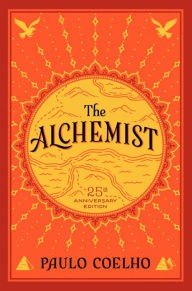
The Alchemist
by Paulo Coelho
☆☆☆☆☆
0.0
Buy Options
| Pages | 167 |
| Difficulty Level | Beginner |
| Est. Reading Time | 4.2 hrs |
| Publish Year | 1988 |

Self Help
The Subtle Art of Not Giving a F*ck
by Mark Manson
☆☆☆☆☆
0.0
Buy Options
| Pages | 224 |
| Difficulty Level | Beginner |
| Est. Reading Time | 5.6 hrs |
| Publish Year | 2016 |
🎯
Who Should Read Which?
"The Alchemist" appeals to those seeking spiritual growth, inspiration, and a hopeful, fable-like narrative about destiny and pursuing dreams. It's suitable for a broad audience, including younger readers and those new to self-help. "The Subtle Art of Not Giving a F*ck" targets readers who prefer direct, no-nonsense advice, are skeptical of conventional positive thinking, and appreciate blunt humor and a pragmatic approach to life's challenges. It's geared towards adults looking for a counter-intuitive perspective on happiness and values.
💡
Core Takeaway Comparison
"The Alchemist" teaches that by listening to your heart and pursuing your 'Personal Legend,' the universe conspires to help you achieve your dreams, emphasizing the journey as the true treasure. "The Subtle Art of Not Giving a F*ck" argues that true happiness comes from choosing what problems you're willing to have, embracing discomfort, and defining your values rather than seeking constant positivity or external validation.
✍️
Writing Style & Complexity
"The Alchemist" employs a simple, allegorical, and poetic writing style, resembling a modern fable. Its language is accessible yet profound, creating a contemplative and inspiring atmosphere through narrative. "The Subtle Art of Not Giving a F*ck" features a direct, conversational, and often provocative style, incorporating humor and occasional profanity. It's engaging and challenging, using personal anecdotes and psychological insights to deliver its pragmatic message.
👑
The Final Verdict
Read "The Alchemist" first if you are looking for gentle inspiration, a story-driven exploration of purpose, and a hopeful, spiritual perspective on life's journey. It's ideal for a dose of optimism and belief in one's potential. Read "The Subtle Art of Not Giving a F*ck" first if you need a pragmatic reality check, are tired of superficial self-help, or want a direct, actionable framework for prioritizing what truly matters and building resilience against societal pressures. It's excellent for redefining values and managing anxieties. Both are valuable but offer very different pathways to self-improvement.