AI Head-to-Head
Compare The 30-Day Money Cleanse vs The Art of Spending Money
Which book deserves a spot on your reading list next? Explore our side-by-side comparison of summaries, lessons, and buying options.
Business
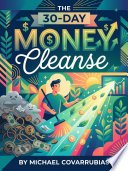
The 30-Day Money Cleanse
by Ashley Feinstein Gerstley
☆☆☆☆☆
0.0
Buy Options
| Pages | 267 |
| Difficulty Level | Intermediate |
| Est. Reading Time | 6.7 hrs |
| Publish Year | 2026 |
Business
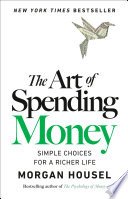
The Art of Spending Money
by Morgan Housel
☆☆☆☆☆
0.0
Buy Options
| Pages | 257 |
| Difficulty Level | Intermediate |
| Est. Reading Time | 6.4 hrs |
| Publish Year | 2025 |
🎯
Who Should Read Which?
Book 1, "The 30-Day Money Cleanse", targets readers who desire a practical, step-by-step guide to gain confidence and apply financial principles in real-life situations, suitable for self-study or professional development with a focus on immediate action. Book 2, "The Art of Spending Money", is for those who struggle with understanding their relationship with money, seeking a deeper, more psychological insight into their spending habits to achieve happiness and self-awareness, rather than just tactical advice.
💡
Core Takeaway Comparison
Book 1 provides a concrete, 30-day program with actionable steps like spending fasts, tracking, debt attack blueprints, building emergency funds, and automating savings, aiming to equip readers with repeatable strategies and practical routines. Book 2 offers lessons on harnessing the power of money for a happier life by understanding and reshaping one's relationship with money, emphasizing peace of mind, the role of expectations, and self-awareness over specific budgets or hacks.
✍️
Writing Style & Complexity
Book 1 employs a direct, supportive, and accessible writing style, emphasizing practical understanding through structured learning, examples, guided practice, and common mistakes to avoid, making it highly prescriptive and application-focused. Book 2, written with insight and warmth, explores the psychological and philosophical aspects of spending, focusing on why decisions are made and how to reshape one's mindset, making it more reflective and less prescriptive.
👑
The Final Verdict
Read Book 1 first if you are looking for an immediate, structured, and practical guide with clear actionable steps to get your finances in order and build foundational money habits. Read Book 2 first if you are seeking a deeper, more philosophical understanding of your relationship with money, aiming to cultivate self-awareness and align your spending with long-term happiness, rather than just learning how to budget. The books can also complement each other, with Book 1 offering the 'how' and Book 2 providing the 'why'.