AI Head-to-Head
Compare The Lean Startup vs Thinking, Fast and Slow
Which book deserves a spot on your reading list next? Explore our side-by-side comparison of summaries, lessons, and buying options.
Business
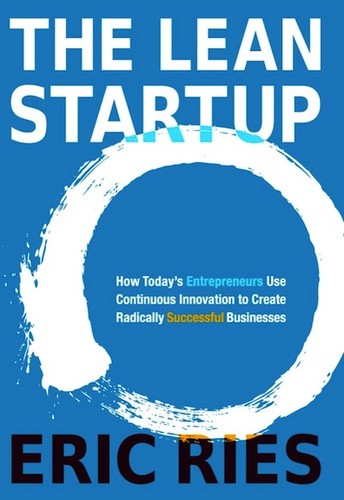
The Lean Startup
by Eric Ries
★★★★★
5.0
Buy Options
| Pages | 336 |
| Difficulty Level | Intermediate |
| Est. Reading Time | 8.4 hrs |
| Publish Year | 2011 |

Non-Fiction
Thinking, Fast and Slow
by Daniel Kahneman
☆☆☆☆☆
0.0
Buy Options
| Pages | 499 |
| Difficulty Level | Advanced |
| Est. Reading Time | 12.5 hrs |
| Publish Year | 2011 |
🎯
Who Should Read Which?
The Lean Startup is ideal for entrepreneurs, startup founders, product managers, and innovators seeking practical frameworks for building and scaling businesses. Thinking, Fast and Slow appeals to a broader audience interested in human psychology, decision-making, behavioral economics, and improving critical thinking.
💡
Core Takeaway Comparison
The Lean Startup advocates for continuous innovation, validated learning, and iterative product development through the Build-Measure-Learn loop to create sustainable businesses. Thinking, Fast and Slow illuminates the two systems of human thought (intuitive vs. deliberate) and exposes various cognitive biases that influence our judgments and decisions, often leading to irrationality.
✍️
Writing Style & Complexity
The Lean Startup has a practical, prescriptive, and business-focused style, employing case studies and examples to illustrate its methodologies. Thinking, Fast and Slow is academic yet highly accessible, presenting complex psychological concepts with rigorous research and clear explanations, often supported by experimental findings and real-world scenarios, requiring a more contemplative read.
👑
The Final Verdict
Read The Lean Startup first if your goal is to acquire actionable strategies for building products, launching startups, or fostering innovation within an organization. Read Thinking, Fast and Slow first if you want to gain a profound understanding of human cognition, improve your decision-making, and recognize the biases that shape our perceptions and choices, which can indirectly inform business strategy and personal effectiveness.